


Selecting the Right Chiller for Plastic Injection Facilities
In plastic injection facilities, the most critical factor determining profitability is "cycle time". We examine the importance of choosing the right chiller for mold cooling and hydraulic oil cooling processes—which directly affect production speed—and the value it adds to your business.
This article was automatically translated from the Turkish original.
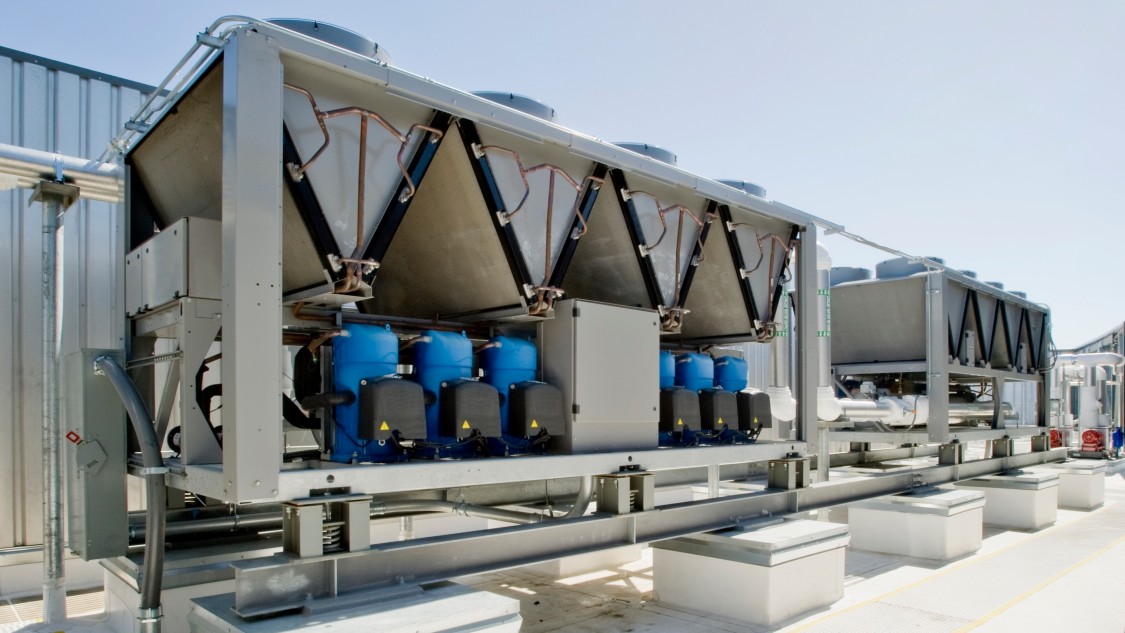
Selecting the Right Chiller and the Importance of Cooling in Plastic Injection Facilities
The plastic injection industry is a highly competitive and fast-paced manufacturing sector where time is literally money. After raw material in granule form is melted and injected into the mold, it must cool down until the part reaches a sufficient level of rigidity to be ejected from the mold.
The cooling phase accounts for an average of 70% to 80% of a plastic injection machine's total production cycle (cycle time). Therefore, the more efficient the cooling system (chiller plant) in your facility, the higher your production capacity will be.
What Does a Robust Cooling System Bring to Your Business?
Instead of making a standard chiller investment in plastic manufacturing plants, installing an "engineering-based" cooling system offers three major commercial advantages:
1. Significant Reduction in Cycle Time
Hot plastic injected into the mold (e.g., PP, PE, PET, or ABS) needs to be rapidly cooled by thermal shock. If your chiller system's capacity is insufficient or the water flow rate is too low, the part must remain in the mold for longer. Gaining just 1-2 seconds in cycle time through properly calculated cooling capacity and correct pump/pipe diameter selection translates to producing tens of thousands of extra parts per month (increased capacity).
2. High Product Quality and Low Scrap Rate
If a plastic part does not cool homogeneously (evenly) and at the correct temperature in the mold, shrinkage, warpage, surface waviness, and dimensional deviations occur in the product. Precise mold temperature conditioning (maintaining steady-state operation) minimizes scrap rates, preventing raw material waste.
3. Protection of Machine Lifespan (Hydraulic Oil Cooling)
In plastic injection machines, not only the mold but also the oil in the high-pressure hydraulic system must be cooled. If hydraulic oil temperatures exceed 45°C - 50°C, machine performance drops and severe mechanical damage occurs to seals and valves. When designing the system, the cooling needs of the mold (lower temperature) and oil (higher temperature) must be professionally balanced.
Critical Considerations in Chiller Selection
When selecting equipment for a facility, rather than asking "How many tons is the machine?" or "What off-the-shelf unit do you have available?", the following engineering data must be evaluated:
Type of Processed Raw Material: (e.g., the specific heat of PET and the cooling characteristics of Polypropylene are completely different.)
Hourly Production Quantity (kg/h): A thermodynamic load calculation must be made based on the amount of plastic melted per hour by the machine.
Open or Closed Loop System: Designing free cooling or closed loop systems based on water contamination levels and scaling risks.
Future Expansion Plans: Leaving margin for system expansion (modularity) for new machines to be added to your facility in the future.
Increase Your Production Speed with FSI Cooling
Industrial cooling systems are not standard home appliances to be picked from a catalog and plugged in. Every detail, from pipe diameters to pump flow rates, water inlet-outlet (delta T) temperatures to compressor technology, must be custom-engineered for your facility.
As FSI Cooling Engineering, our expert engineers conduct on-site capacity calculations for your plastic injection and extrusion plants; we offer turnkey solutions with the right chillers and cooling towers that will boost your production speed and lower your energy costs.
To maximize your production capacity and modernize your old cooling system, you can contact us to benefit from our free site survey and "Capacity Calculation" services.
Engineering support for your system
Contact our team for chiller selection, a maintenance plan or breakdown response.